Tuesday, November 11, 2014
It's On! (Gaming in Education)

Monday, November 3, 2014
A New Reading Rainbow: Digital Storytelling
First things first, here is the video that I created in my ECI201, Instructural Technology for Educators, for Digital Storytelling.
Why use digital storytelling in the Classroom? To answer that you have to ask yourself, "why not?" Digital storytelling allows students to be able to take any content that they learn in class and be able to tell "the story" or the content in a unique way and style. We need that opportunity for students to be creative and participate in the class on a deeper level such as digital storytelling. What I really find interesting about digital storytelling is that you can tell any kind of story; history, a book, a report, or even a marketing presentation. Anything is possible.
How can digital storytelling be used in different content areas? Even though my content is in Business and Marketing Education. Digital Storytelling can be done in subject area. From showing students how to construct a DNA helix in Science, to exampling how to do a complex math problem in your Algebra class, to showing how to dunk a basketball in your P.E. class. The great thing about digital storytelling is that it's almost completely versatile.
What can students learn from creating a digital story? They can learn the simplest skills of video editing and being about to tell stories on their own. Depending on how the digital storytelling is setup, they can also learn team-building/team work skills from working in a team on the project, storyboarding for future teachings or storytelling, and even essential creative skills that they'll use in the future.
What's the advantage of digital storytelling or lecturing/teacher created content? Students love interact and being a part of the class. That's been proven in many classes around the country. Digital storytelling, if done correctly and effectively, allows students to really be a part of the class.
How will I be use digital storytelling in my classroom? Students will definitely have the chance to use digital storytelling in my classroom. Depending on the lesson, I can see my class having digital storytelling as ongoing assignments to utilize as video components for my class. See one of my last posts on videos in the classrooms for more on video usage in the classroom.
I'm very excited to use digital storytelling in my classroom and I expect to use it when I begin my full-time career and during my student teaching experience.
Tuesday, October 28, 2014
Video Education, Education Video? Ah, Video IN Education
 |
| Image Source |
\
Like the infographic says "videos can make the impossible possible." The use of videos in our classes only enhance the lessons that we're giving our students. It allows the class to feel more lively than just giving out information in a lecture or presentation. Students need to be able to connect learning to the outside world, in order to see a purpose.
 |
| Image Source |
Some cool video examples of student created content can be found on this site: http://edtechteacher.org/tools/multimedia/video-classroom/.
Tuesday, October 14, 2014

Monday, October 6, 2014
iPads, Tablets, and iPhones - Oh My!
It's almost scary to think how very far we've come with technology in schools. It was only less than 4 years ago that I was in grade school and teachers we're excited to even get laptop carts for the class or finally getting the outdated SmartBoard that they've been asking for since I was in 7th grade.
 |
| Image Source |
 |
| Image Source |

 |
| Image Source |
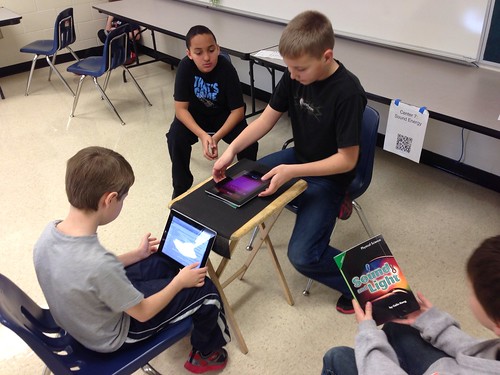
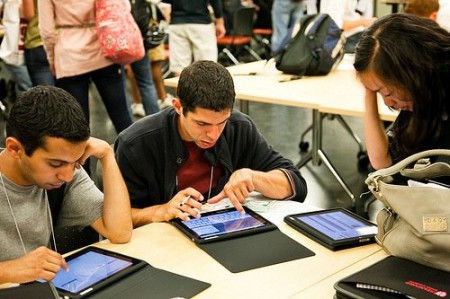
I touches base on the fact that tablets are so very versatile and can be used in classrooms to do pretty much anything from recording lectures, taking notes/photos/videos/etc, turning assignments and providing further engagement for our students to get involved in class and stay engaged.
This is also a cool video that I found about the differences between tablets and laptops, but it also includes advantages and disadvantages:
Monday, September 22, 2014
A #TwitterLessTeacher?! Not in 2014!
What's a PLN?
The concept of a PLN is very, very similar to the more tradition PLC, professional learning community, in the sense that you're creating connections with another person or people with the very specific intent on learning from each other. Unlike PLC's, that tend to take place in professional environments, PLN's take place in more personal, interactive domains such as Twitter, Pinterest, and a few Moodle sites scattered throughout the education realm. Twitter is the dominant of the three because of ease of communication and instant sharing with feedback.
Do teachers really need PLN's? This is an astounding yes! As educators, we should always be looking for more resources to better our craft, more professionals to connect with to gain more knowledge, and more connections with those about the age of 18 (only some teachers will get that joke). While we can network with local PLCs and national leaders in education, we can now connect with teachers in other states, other countries, and our continents that are passionate about education and ready to share the information that they have.
Twitter is one of the best ways to use PLN's. It serves a dual purpose. You are keeping up with the latest social media tools that your students are using and you're able to use a communication software that is able to get you quick resources, respond to other educators, and allow you to connect like never before. Yes, Twitter is commonly used for "the younger generation," but it's open to anyone worldwide - so just imagine the resources that you can get a hold of.
From my #EdChat experience so far, I've been able to connect with THE Arne Duncan (you probably should know who that is - if not, there's always Wikipedia) and a few founders of #EdChat like Tom Whitby and Biddy Martin -- you're forgiven if you don't know them, but definitely follow them on Twitter -- and they have already provided so much information about what's going on in the world of education. It's great! From the information that they provided and from what happened during my #EdChat, I've been able to be information-overloaded, so now I feel very well informed. So much is going on in education that isn't in the media, so it's great they I could connect with these guys.
I think that there is a pretty good chance, that Twitter will be used in my classroom (and outside of class for my own PLN). I want to be able grab my student's attention and I think a quick "break" from the norm will be good to keep them on task. It would be hard in a technology-communication driven classroom environment.
 |
| Image Source |

 |
| Image Source |

 |
| Image Source |

 |
| Image Source: Owner |
I think that there is a pretty good chance, that Twitter will be used in my classroom (and outside of class for my own PLN). I want to be able grab my student's attention and I think a quick "break" from the norm will be good to keep them on task. It would be hard in a technology-communication driven classroom environment.
The era of the #TwitterLessTeacher is officially over... I hope!
Tuesday, September 9, 2014
The Validity of Digital Natives
Here's some food for thought - technology is beginning to cover our classrooms, it's becoming used in our everyday lessons and instruction, and it's becoming a central focus in our curriculum. Let's think, who are the ones that using the technology more? Who are the ones that are more capable of adapting and being able to use the technology we are "introducing" to them? That's right - the students! However, digital natives doesn't quite describe what is being described...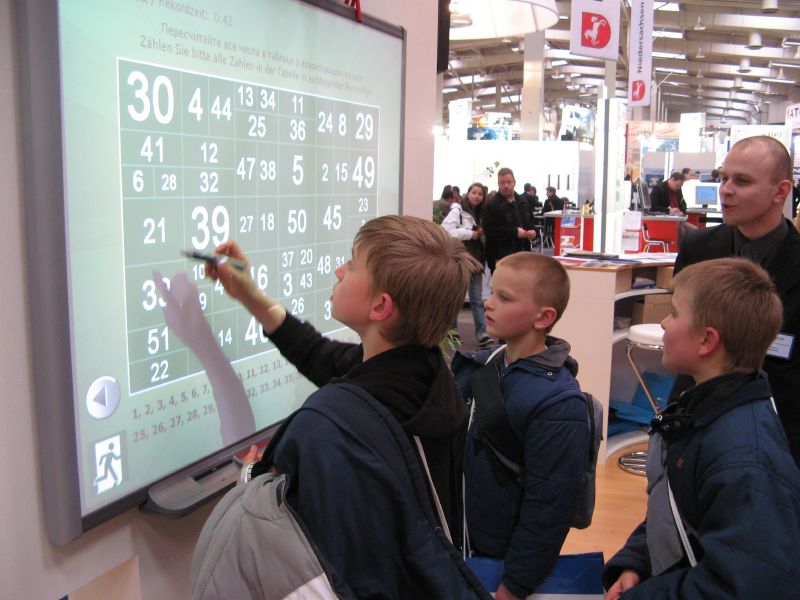 |
| http://upload.wikimedia.org/wikipedia/commons/a/a2/Interactive_whiteboard_at_CeBIT_2007.jpg |
Digital Native - a person who was born during or after the general introduction of digital technologies and through interacting with digital technology from an early age, has a greater comfort level using it. (Source: Wikipedia, "Digital Native", http://en.wikipedia.org/wiki/Digital_native)
The Digital Native Debate:
During the digital natives debate, I took the side of against the concept of digital natives. Originally, I have always agreed with the concept of the digital native, but since that side was full, I had to go with the against side. I learned about that the concept of digital natives isn't true. We may be accustomed to digital technologies, but we've all have had to assimilate into the technology world and have to use it on a daily basis. The concept of digital natives insinuates that we are exceptional good with technology and know the ins-and-outs. We are only technologically-aware and able to learn new technologies quickly. We are more digital immigrants, becoming used to new technologies daily.
Another Point of View:
From the NY Times BIT Blog:
http://bits.blogs.nytimes.com/2013/10/07/young-people-are-not-as-digitally-native-as-you-think/?_php=true&_type=blogs&_r=0
Subscribe to:
Posts (Atom)